Pains of Youth
by Ferdinand Bruckner, adapted by Martin Crimp
Director, Audio Designer, Co- Dramaturg
Produced by Pocket Playhouse, Fall 2026
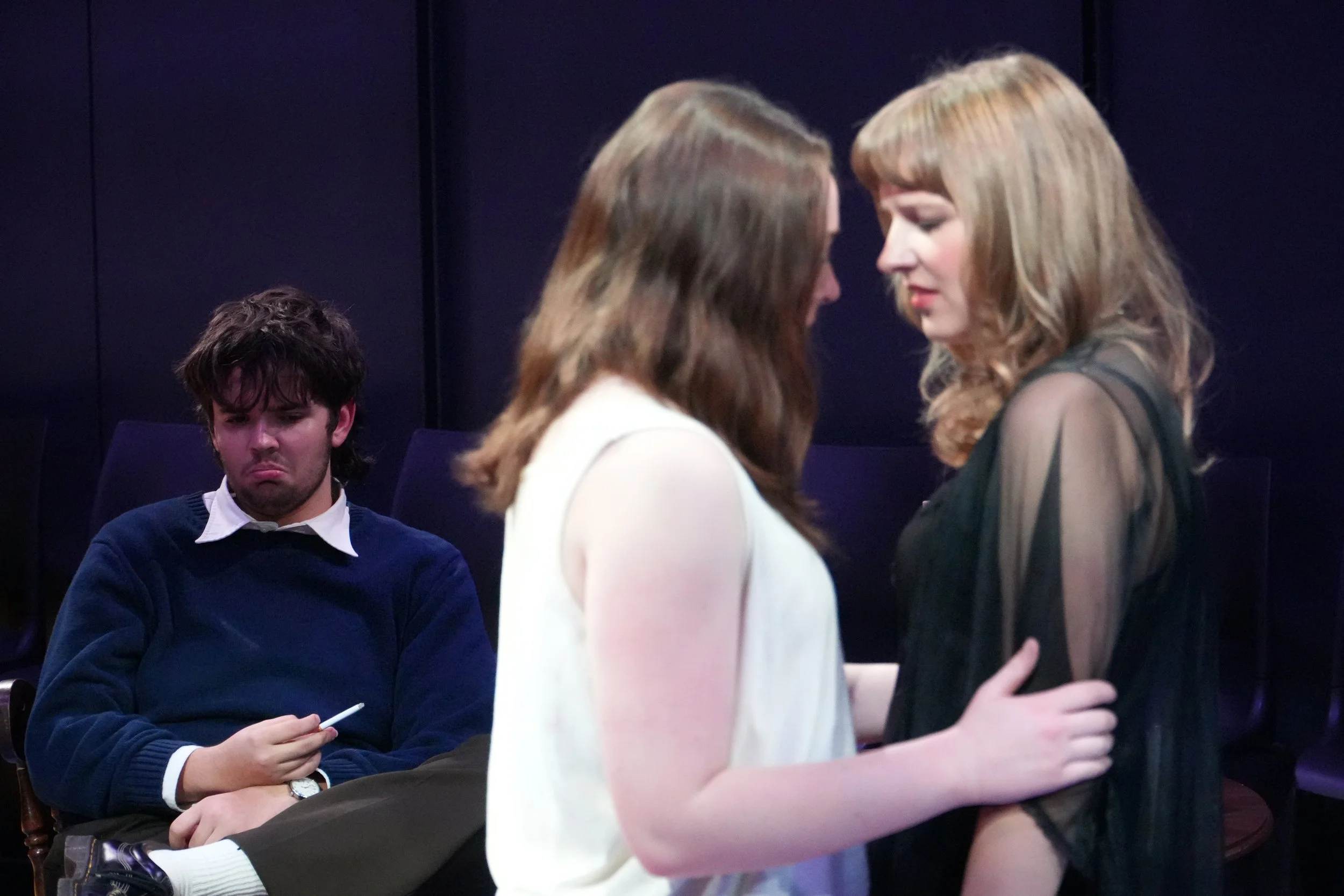
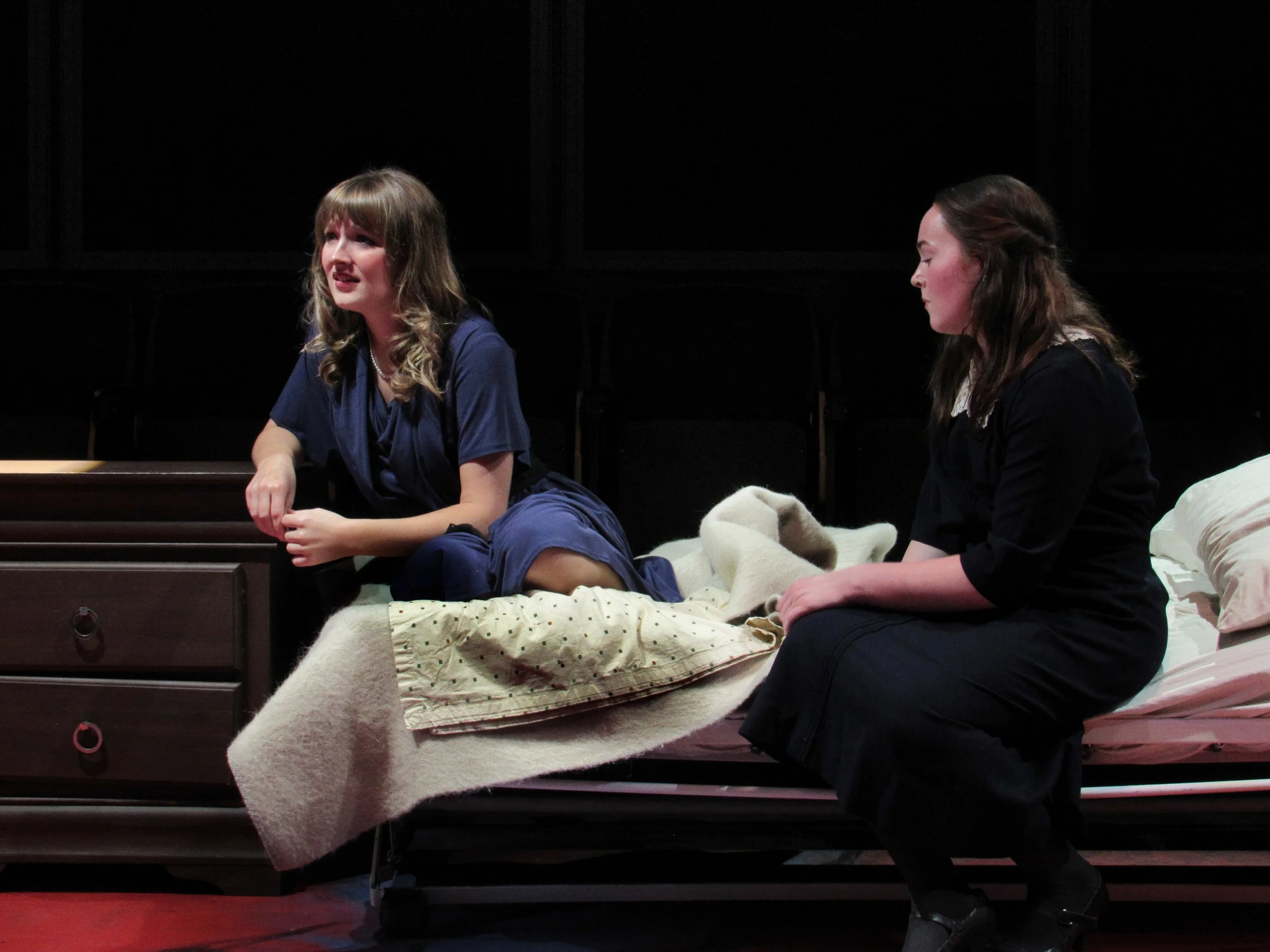
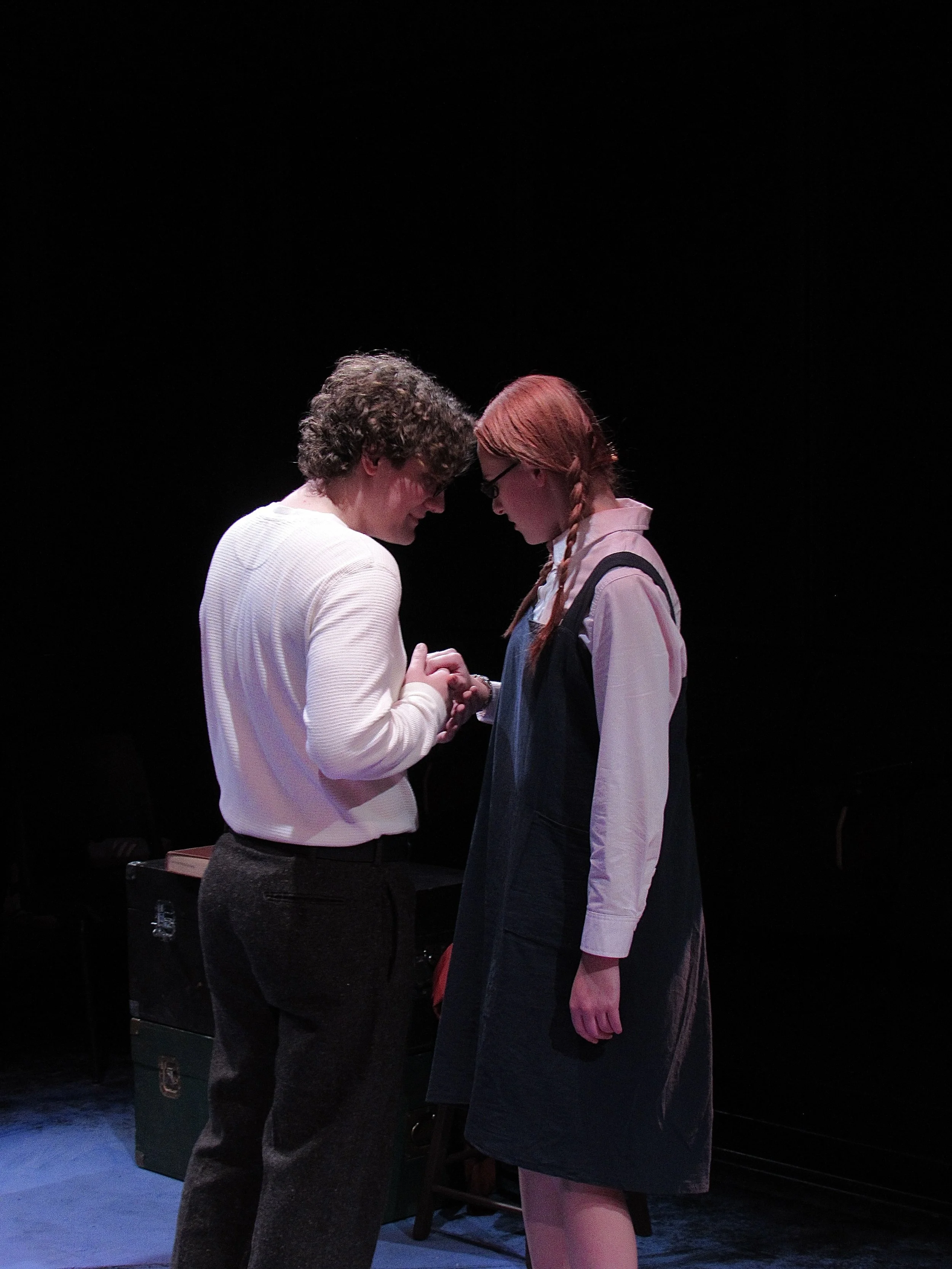
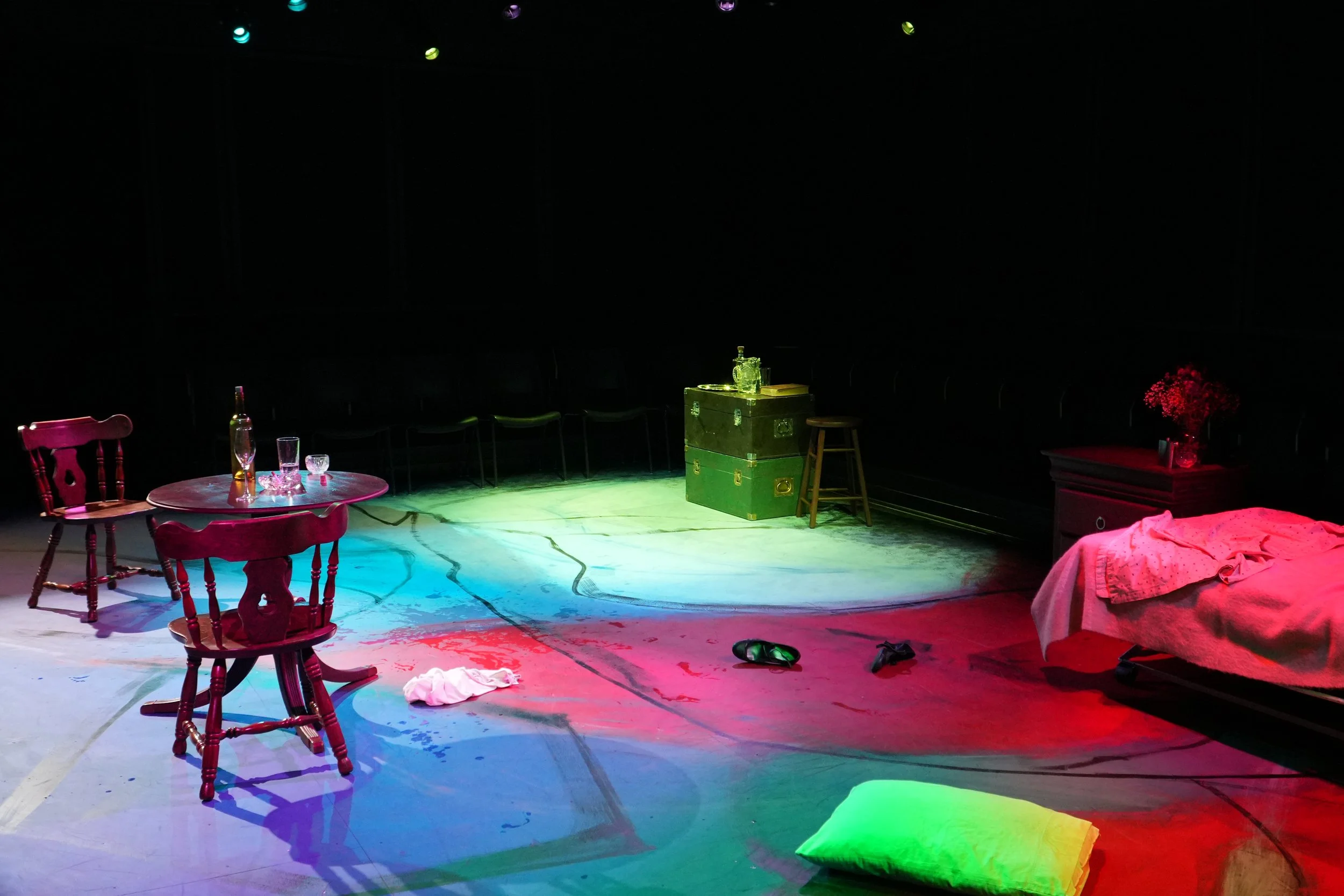
Expressionism, an artistic movement between 1900- 1920s, was in a reaction to WWI. The soft, delicate, and flowing colors of Expressionism were effective to a 1920s viewer, but to the contemporary eye, felt classical and aged. Bringing PAINS OF YOUTH to a modern audience, Neo- Expressionism, an artistic movement of the 1970s and 1980s that used bold colors, unpredictable lines, and movement, made my mind spark with fear and curiosity. These bold artistic choices felt like an unknown, chaotic, and fearful cry for help, yet with an air of passion. These characteristics felt like not only the emotions influenced by the characters, but also what caused these emotions in the first place: the environment. The post-war society of Vienna, Austria, was lost in destruction, leaving these characters with futures unknown. With this, I wanted the environment of our world to be neo-expressionist, overwhelming, unknown, and inescapable. Trapped in a crammed boarding house, the destruction of the outside world cannot help but seep inside.
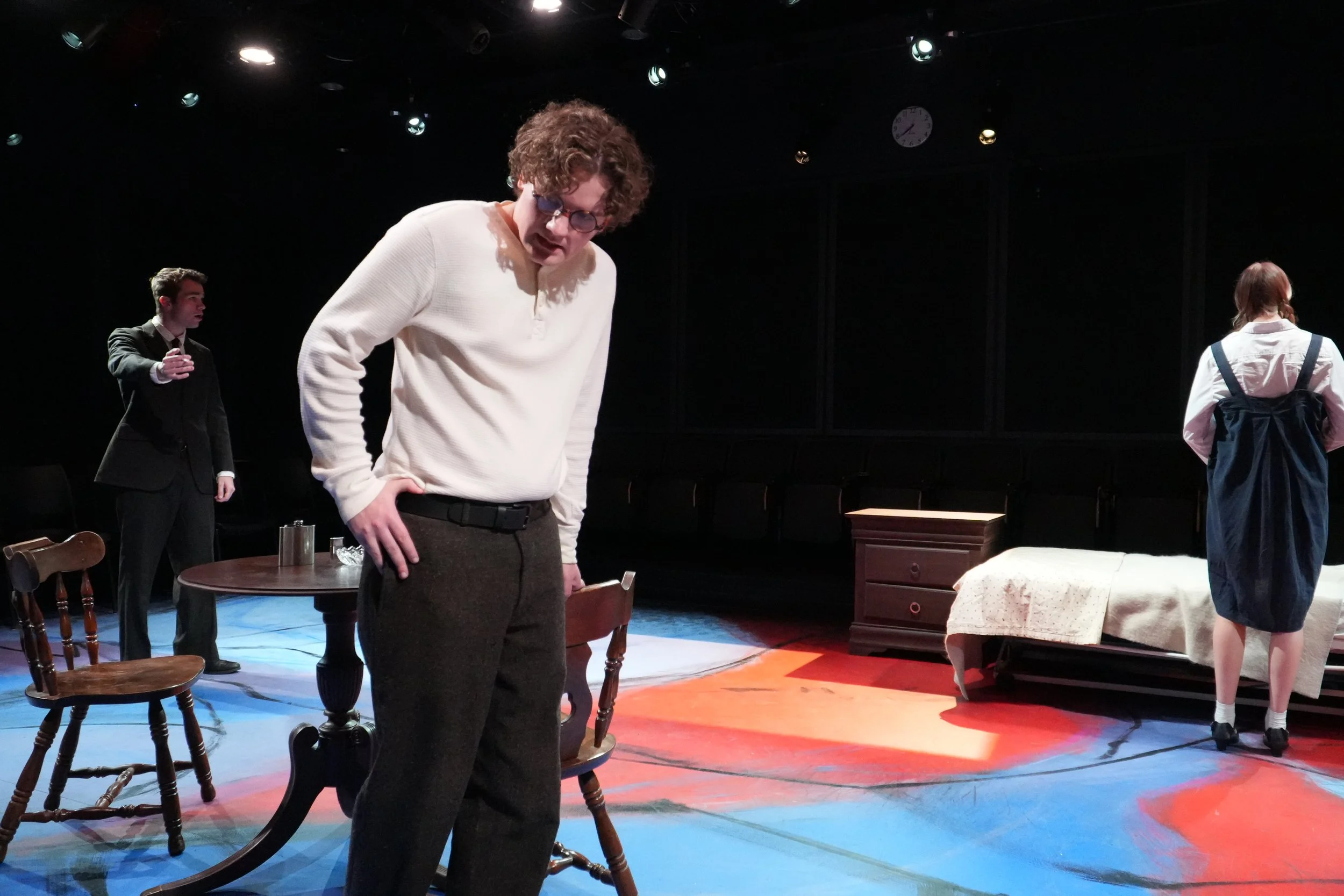
Youth feeling lost in a world of destruction.
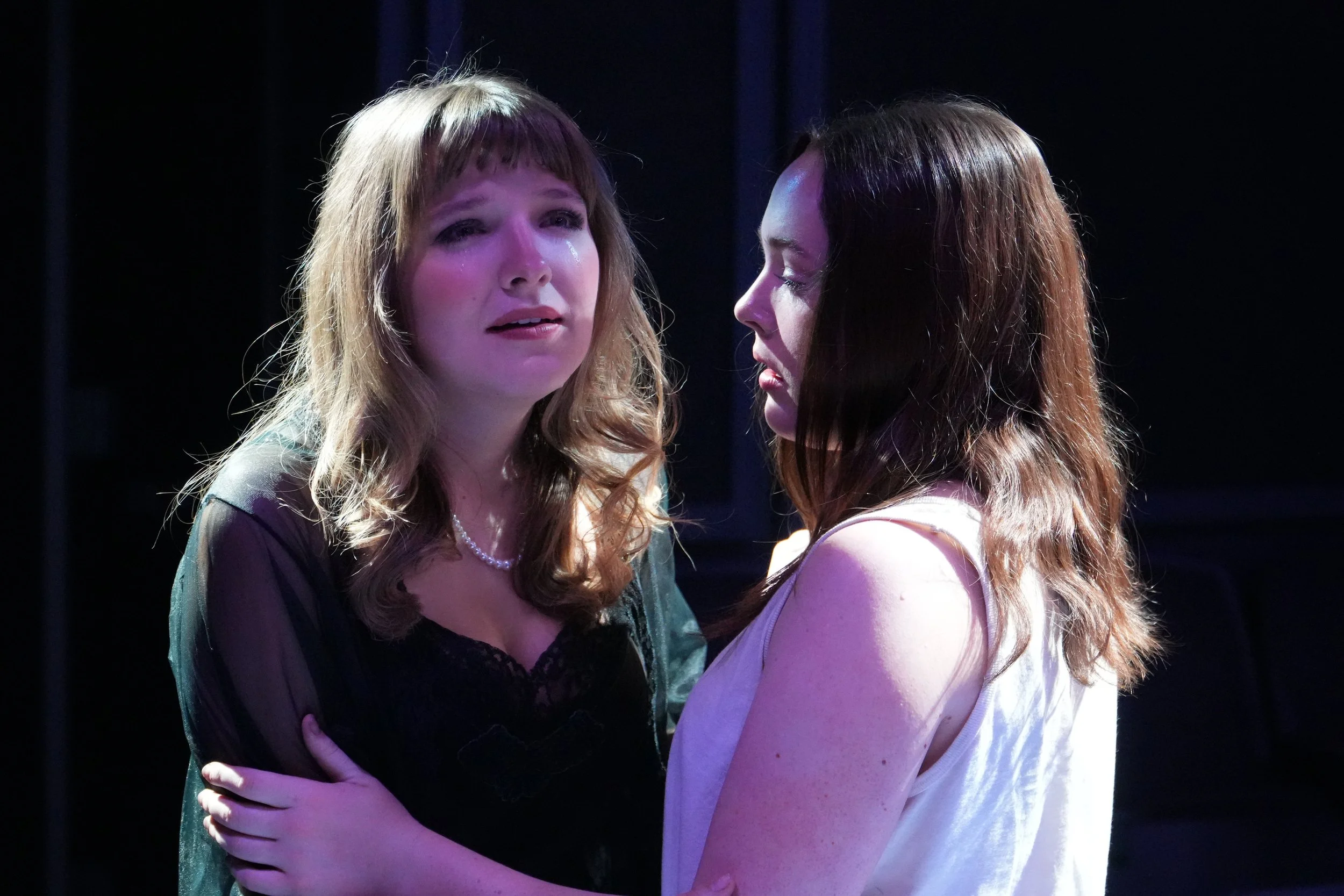
A statement, at times, a cry for help, that I, as a director and audio designer, used to create a world and atmosphere that felt not only like post-WWI Vienna, but also like the contemporary United States. Ferdinand Bruckner's PAINS OF YOUTH is a two-hour expressionist drama that explores betrayal, lust, and love, driven by the diverse modes of survival youth in a cramped boarding house take to feel stability in a post- war society (Vienna, 1926). In a version by Martin Crimp, transferring a 1920s text to a 2010 audience at the National Theatre, I was drawn to how not only the themes of the play, but the dialogue itself felt, in moments, out of time and contemporary. Bringing these bold concepts and themes to the stage, I was inspired by artistic movements that have tackled these themes before: Expressionism.
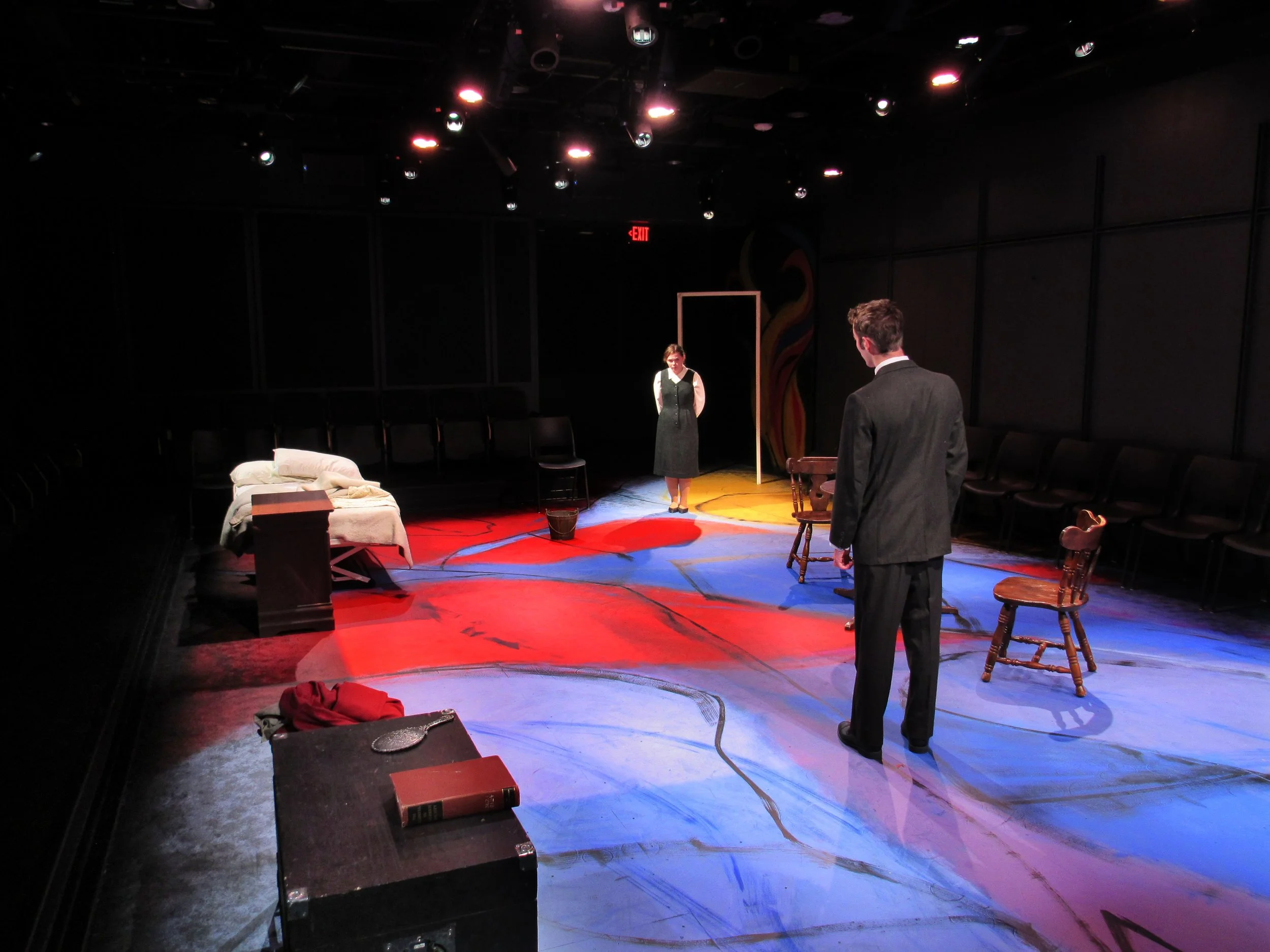
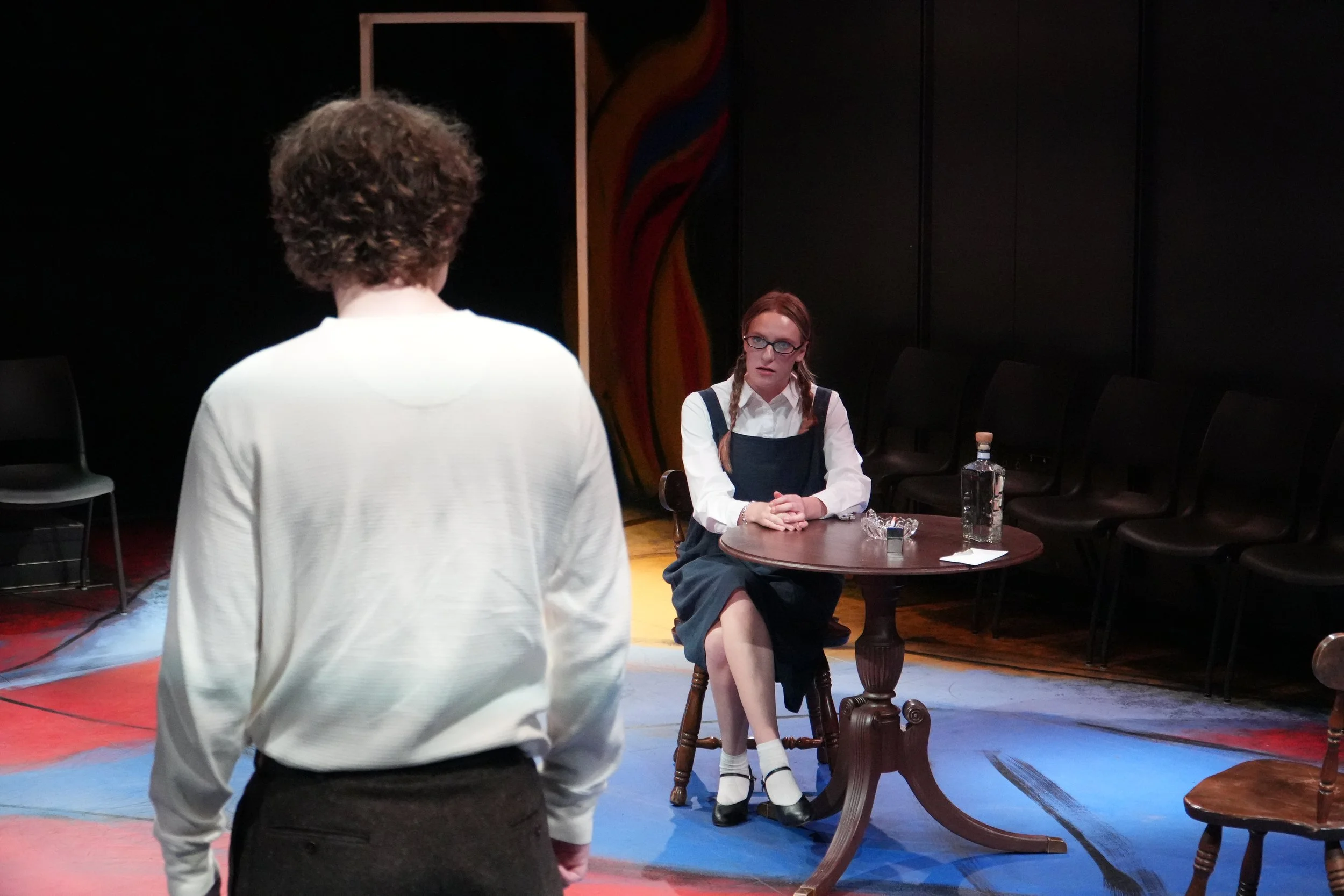
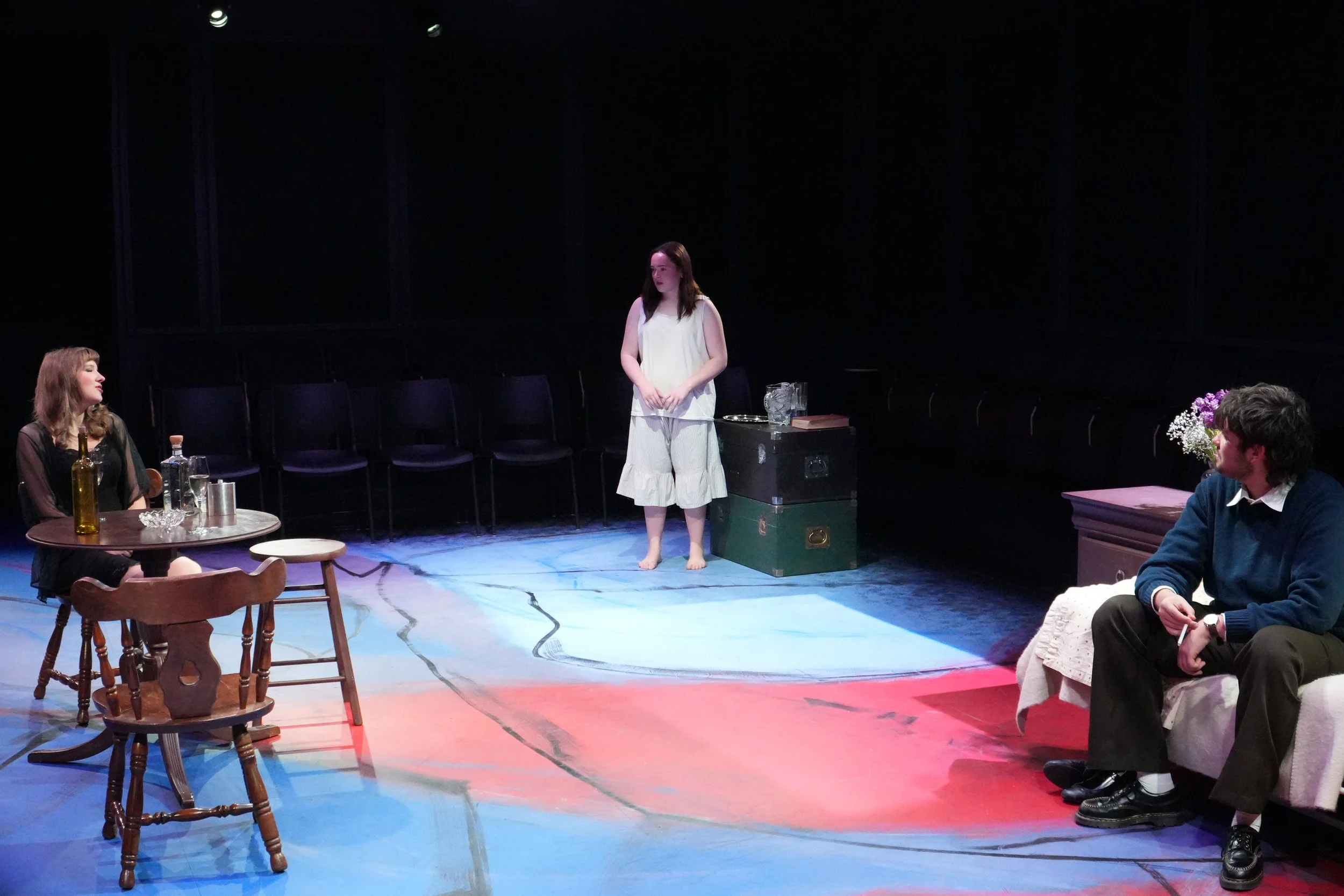
Inescapable, Bruckner’s scenes consist of tens of pages of dialogue between two characters who, at any moment, can say whatever they want and do wrongs they believe will go unnoticed. But in adjoining rooms and behind closed doors, these characters feel watched, with nowhere to hide. With this, arranging the audience in the round left these characters on full display, no matter how soft the whisper or how little the movement.
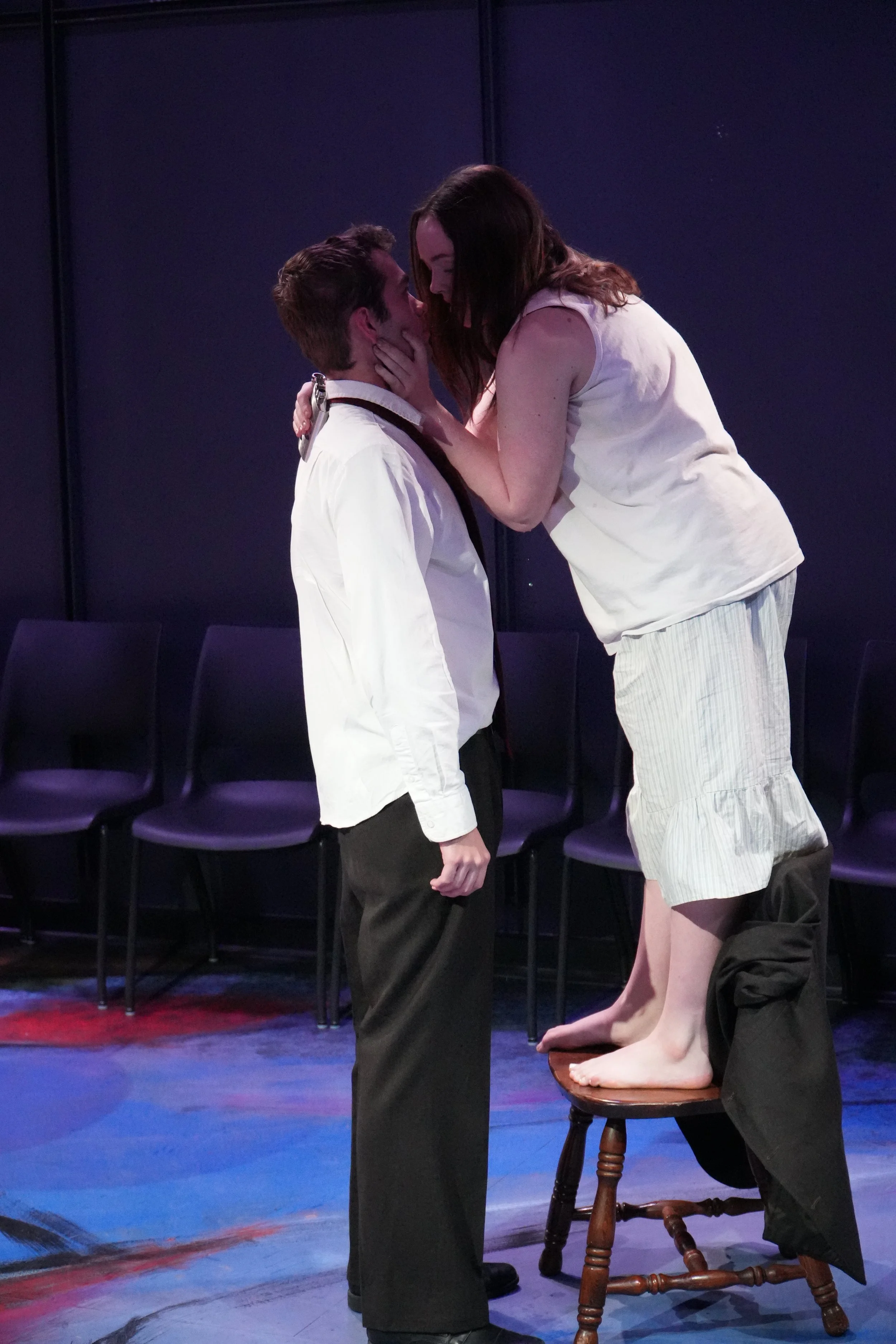
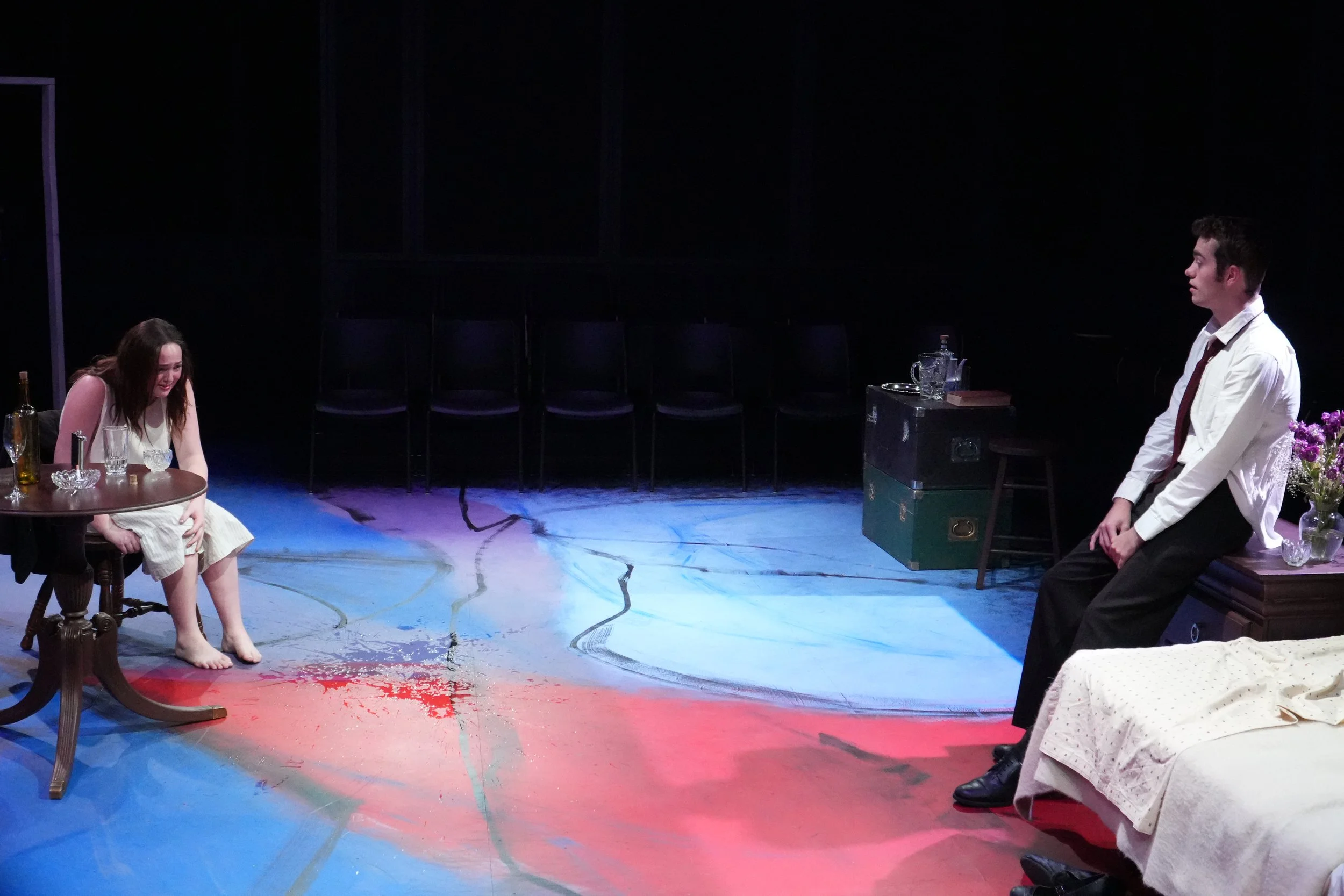
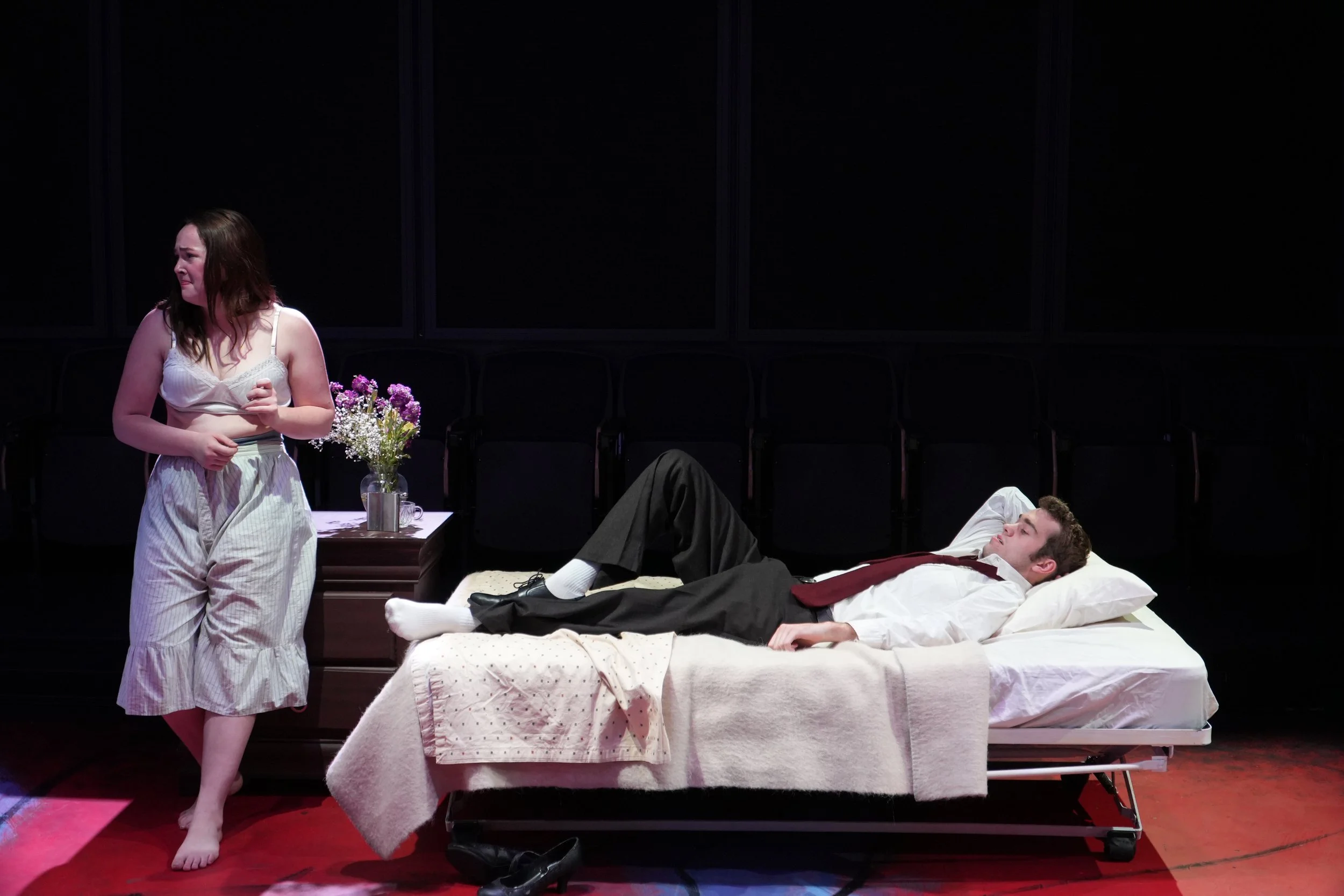
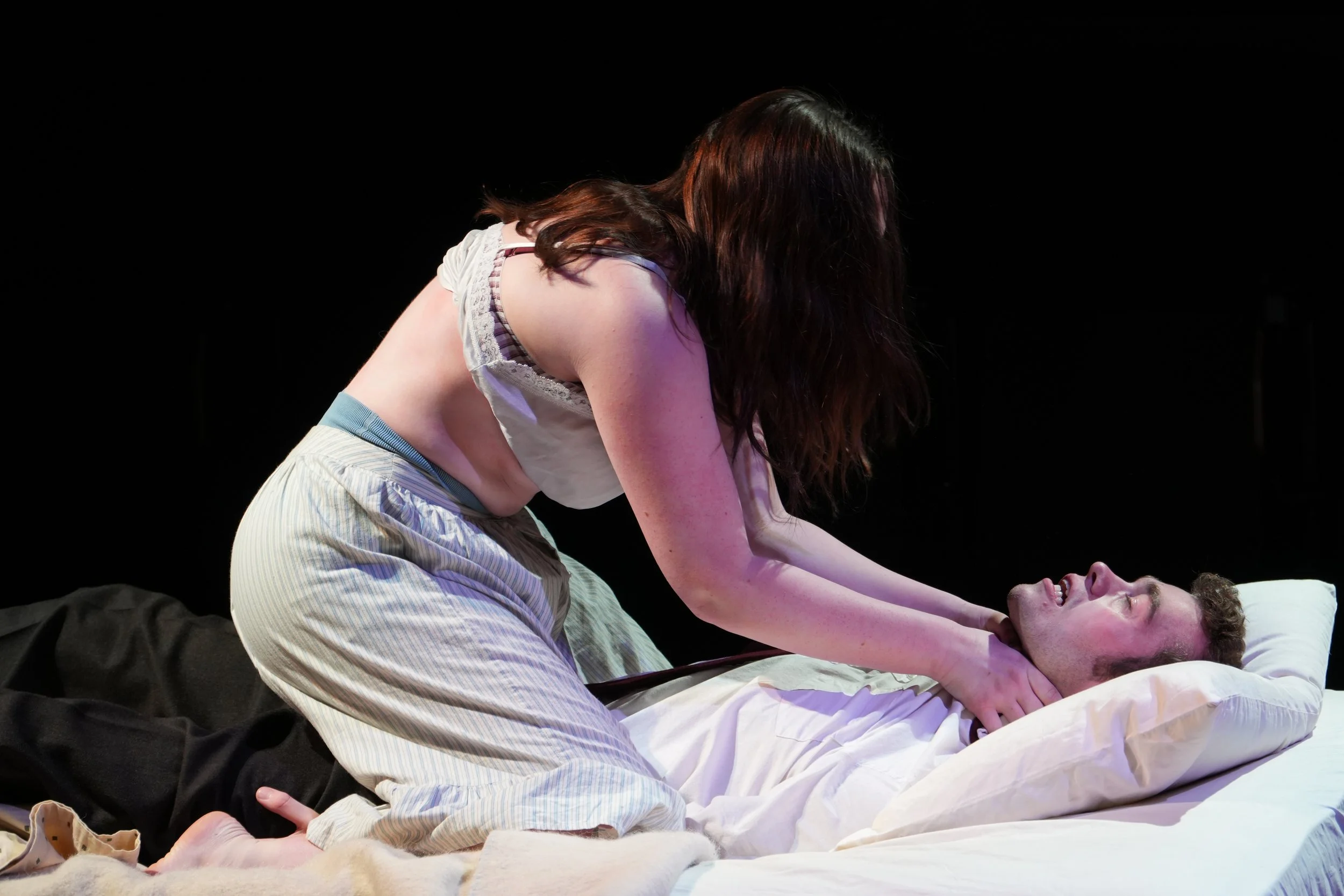
As a director, I was fascinated by the hints of contemporary relevance in a classic piece, but could not avoid the dated perspectives on women and society. Bruckner’s play has two alternative endings that directors may choose from, both ultimately leaving the protagonist, Marie, shattered and broken by the death of her lover, Desiree. Leaving her trapped under the control of Freder, a man hungry for control in this time of extreme desperation. In 2026, I did not want to leave the audience, especially women, with the impression that they should conform to power-hungry men in moments of uncertainty and loss. With this, I altered no words in the text, but only the intentions behind them and how my actors moved in reaction. Rather than Desiree’s death leaving Marie helpless, Marie feels she must be the one to stop a man’s harmful cycle.
In her room late at night with a murderer, Marie is left with a choice: to conform or fight. With this, a man blinded by alcohol and seduction, it is easy to be grabbed by the neck in lust, and he continues to squeeze harder and harder until a final blackout and an ambiguous scream from Marie: “Do it, kill me”.